
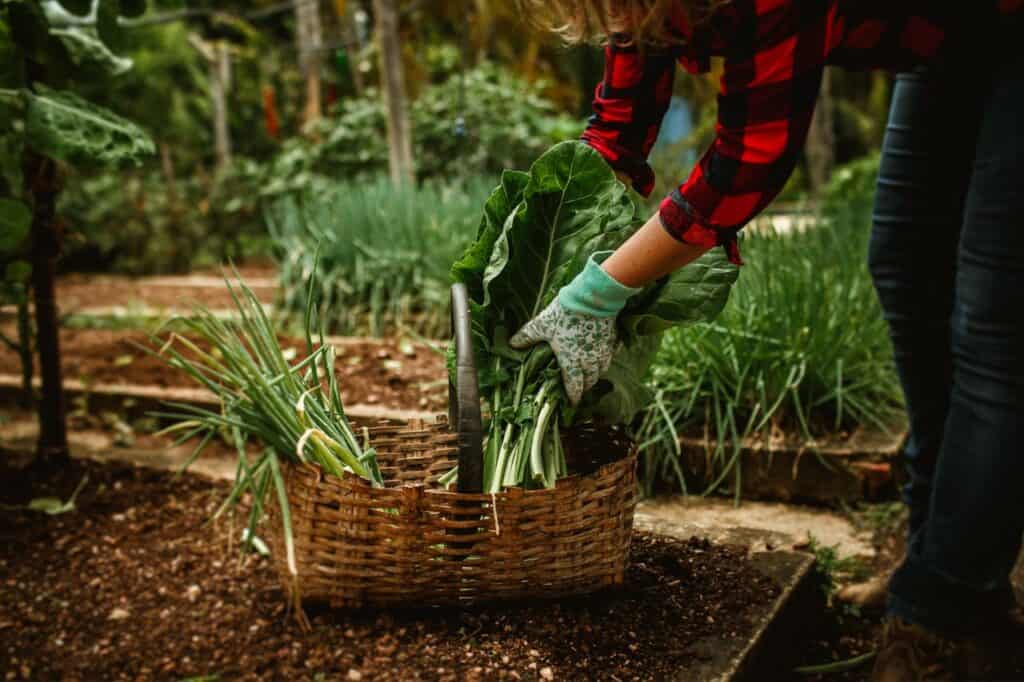
The Ultimate Guide to Community Gardens and Composting in Pittsburgh
Grow Food, Build Community, and Help the Environment—One Garden at a Time
“To plant a garden is to believe in tomorrow.” — Audrey Hepburn
There is something magical about digging your hands into the soil. Gardening slows us down, teaches patience, and reminds us that even the smallest seed can become something beautiful with a little care.
Here in Pittsburgh, community gardens are transforming vacant lots into vibrant gathering places where neighbors grow fresh food, children discover where vegetables come from, and communities build lasting friendships. These gardens are about more than tomatoes and flowers—they’re about creating healthier neighborhoods, reducing food insecurity, supporting pollinators, and protecting our environment.
One of the easiest ways to make these gardens even more sustainable is through composting. Together, gardening and composting create a cycle that reduces waste while producing healthier soil for generations to come.
Whether you’re a seasoned gardener or have never planted a seed, this guide will help you discover Pittsburgh’s thriving community gardening movement and show you how easy it is to get started.
Why Community Gardens Matter
Community gardens have become one of the most valuable resources in neighborhoods throughout Allegheny County.
They provide:
🌱 Fresh fruits and vegetables
🌼 Beautiful green spaces
🐝 Pollinator habitats
👩🌾 Gardening education
❤️ Community connections
🌎 Environmental sustainability
Studies have shown that gardening can reduce stress, improve mental health, encourage physical activity, and increase access to nutritious food. Community gardens also strengthen neighborhoods by bringing together people from different backgrounds who share a common goal.
Children especially benefit from gardening. They learn responsibility, patience, healthy eating habits, and respect for the environment while spending less time on electronic devices.
The Environmental Benefits
Every garden provides benefits beyond the harvest.
Community gardens help:
- Improve air quality
- Reduce stormwater runoff
- Cool urban neighborhoods
- Increase biodiversity
- Support bees and butterflies
- Reduce food transportation emissions
- Beautify neighborhoods
Even a single raised garden bed contributes to a healthier Pittsburgh.
Composting: Nature’s Recycling System
If gardening is the heart of sustainability, composting is its foundation.
Every year Americans throw away millions of tons of food scraps that could instead become nutrient-rich compost.
Instead of filling landfills, fruit peels, coffee grounds, eggshells, leaves, and garden waste can be transformed into healthy soil.
Gardeners often call compost “black gold.”
Why?
Because compost:
✔ Improves soil
✔ Reduces watering needs
✔ Feeds beneficial microorganisms
✔ Helps prevent erosion
✔ Reduces chemical fertilizer use
✔ Creates healthier plants
Composting 101
Step One: Pick a Compost System
Choose one that fits your home.
Backyard Bin
Perfect for homeowners.
Compost Tumbler
Cleaner and faster.
Worm Bin
Ideal for apartments.
Countertop Bucket
Collect scraps until you’re ready to empty them.
Greens vs Browns
Successful compost needs both.
Greens
- Fruit scraps
- Vegetable scraps
- Coffee grounds
- Tea leaves
- Fresh grass
- Garden trimmings
These provide nitrogen.
Browns
- Dry leaves
- Cardboard
- Newspaper
- Paper towels
- Straw
- Small twigs
These provide carbon.
Aim for roughly three parts browns to one part greens.
Never Compost
Avoid:
- Meat
- Dairy
- Cooking oil
- Grease
- Bones
- Pet waste
- Diseased plants
- Plastic
- Glossy paper
Compost Troubleshooting
Bad smell?
Add dry leaves.
Too dry?
Add water.
Too wet?
Add cardboard.
Not breaking down?
Turn the pile and add more greens.
Attracting pests?
Never add meat or dairy.
Seasonal Gardening Calendar for Pittsburgh
Spring
- Lettuce
- Spinach
- Peas
- Kale
- Broccoli
- Onions
Late Spring
- Tomatoes
- Peppers
- Cucumbers
- Beans
- Squash
Summer
Harvest and compost regularly.
Mulch heavily.
Water deeply.
Fall
Plant garlic.
Add leaves to compost.
Clean garden beds.
Winter
Plan next year’s garden.
Continue composting indoors.
Community Gardens Around Pittsburgh
Whether you’re looking to volunteer or rent a plot, these organizations are excellent places to start:
- Grow Pittsburgh Community Gardens
- City Farms Garden Program
- Mount Washington Community Garden
- South Side Community Garden
- EveryBuddy’s Garden (Hazelwood)
- East Commons Community Garden
- Riverview Community Garden
- Penn Hills Community Garden
- Amity Harvest Community Garden
- Whitehall SHIM Peace Garden
- Wilkinsburg Hamnett Place Garden
- Sharpsburg Community Garden
Many welcome volunteers, beginners, families, and school groups.
Local Composting Resources
If you don’t have room for composting at home, you’re still in luck.
Organizations helping Pittsburgh residents include:
Grow Pittsburgh
Educational workshops, compost, gardening classes, volunteer opportunities, and community garden support.
City Farms Garden Program
Technical assistance, compost, seedlings, soil testing, and supplies for community gardens.
Community Compost Sites
Many neighborhood gardens now maintain compost bins where volunteers can participate and learn sustainable gardening practices.
Check with your local municipality to see if food scrap drop-off programs or compost collection services are available.
Beginner Gardening Tips
Start small.
Choose vegetables your family actually eats.
Water deeply instead of frequently.
Mulch to retain moisture.
Label your plants.
Don’t be discouraged by mistakes.
Every experienced gardener was once a beginner.
Pollinator-Friendly Plants
Want to help butterflies and bees?
Plant:
🌸 Coneflowers
🌸 Black-eyed Susans
🌸 Bee Balm
🌸 Lavender
🌸 Milkweed
🌸 Goldenrod
Native plants require less maintenance and support local wildlife.
Ways to Get Involved
Volunteer at a garden.
Donate gardening tools.
Share extra produce.
Teach a child to garden.
Start composting.
Support local farmers markets.
Plant flowers for pollinators.
Every small action helps Pittsburgh grow greener.
Final Thoughts
Community gardens remind us that growth takes time.
A tiny seed becomes food.
Food becomes community.
Community becomes hope.
Compost reminds us that even what appears to be waste can become something beautiful again.
Perhaps that’s the greatest lesson gardening teaches us.
With patience, care, and a little sunshine, remarkable things can grow.
So whether you plant one tomato on your porch or volunteer in a neighborhood garden, know that you’re making Pittsburgh healthier, greener, and more connected—one seed at a time.
I’d Love to Hear From You!
Have you visited a community garden in Pittsburgh?
Do you compost at home?
What’s your favorite thing to grow?
Share your experiences in the comments below! Your story might inspire someone else to start their gardening journey.
Happy gardening!
— Natalie
