There is something special about watching a hobby grow into a creative journey—and even more special when the person behind it refuses to lose sight of why they started.
For this edition of The Many Colors of Natalie, I’m excited to introduce you to Allyson, the creative mind behind Allycat Crochets. A third-year University of Pittsburgh student studying Health Informatics, a manager at Michaels, an animal lover, and a longtime crochet artist, Allyson has built a creative world filled with soft yarn, colorful creations, stuffed animals, and plenty of personality.
But Allyson’s story isn’t simply about crocheting. It’s about discovering something you love, allowing yourself to grow, learning from the moments that don’t go as planned, and finding ways to turn creativity into connection.
Her crochet journey began when she was just 10 or 11 years old, when her mom taught her a single stitch. That one stitch eventually became a handmade Valentine’s Day blanket—a blanket that may have been a little uneven and more trapezoid than rectangle, but was made with love. From there, Allyson taught herself more through YouTube and continued developing her craft.
Years later, what started as a childhood hobby became a small business and a way to connect with people at local craft fairs. Along the way, she discovered that success isn’t always about making what you think people will want. Sometimes, it’s about creating what genuinely makes you happy and allowing the right people to find joy in it too.
In this conversation, Allyson opens up about her creative journey, the realities of running a handmade business, vendor shows, finding inspiration, the challenges of standing out, supporting local artists, and why preserving the joy behind your passion matters.
And, of course, we couldn’t end without asking her our signature question: If your life were represented by colors, what colors would they be?
Her answer is a beautiful reflection of who she is—and a reminder that sometimes the things we create tell us just as much about ourselves as the finished product tells everyone else.
So, let’s get to know Allyson—and discover the many colors behind Allycat Crochets.
Getting to Know You
Tell us a little about yourself.
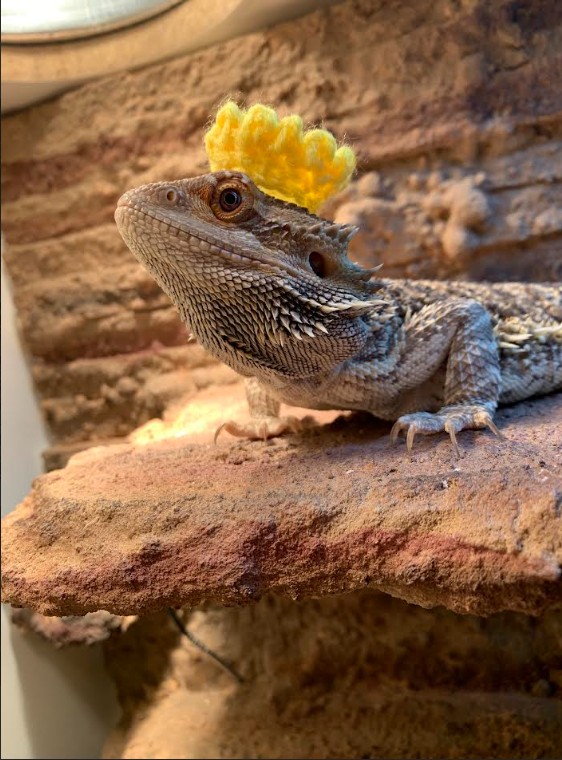
My name is Allyson, but my family calls me Allycat (hence the name of my business, Allycat Crochets). I am a third-year Pitt student studying Health Informatics, and I’m also a manager at Michaels. My favorite color is purple, I love animals, and I enjoy reading, especially fantasy books. I have 3 dogs, a cat (who loves to sleep on my lap while I crochet), and a bearded dragon. I crocheted a tiny crown for my bearded dragon.
How did you first learn to crochet? Who inspired you to begin? What was the very first item you ever crocheted?
When I was around 10 or 11, I learned my first stitch from my mom, who had learned it from a friend. She didn’t stick to the hobby, but I was hooked! I used that one stitch I had learned to make my first real project: a blanket for my mom for Valentine’s day (her favorite holiday). It definitely wasn’t perfect. The stitches weren’t even, and it turned out to be more of a trapezoid than a rectangle, but she absolutely loved it. After that, I got even more into crochet and turned to YouTube to learn more.
When did crochet become more than just a hobby?
In 2021, I decided to try participating in a local craft fair simply because I thought it would be fun. Everyone told me I had to pick a niche, so I decided to make things for pets, since I love animals. I made dog bandanas, cat toys, things like that. It unfortunately didn’t go well, and I didn’t make many sales. The item that I sold most were little mice I had made, intending them to be cat toys. A lot of people bought them for themselves because they were cute, so I tried the same craft fair again the next year and focused on making little stuffed animals. They were a hit, and I had so much fun that I decided to continue doing more craft fairs.
Creative Inspiration
Where do you find inspiration for your designs?
Real inspiration is honestly very hard to come by these days. Pinterest and Etsy, where I used to browse for designs, are now flooded with AI-generated images of crochet. I still look on Etsy for designs, but I have to be very cautious about the patterns I buy, because many are sadly fake. I also like to scroll on Instagram for inspiration. It has fewer AI-generated images and more real creators.
Do you have a favorite color palette or style?
I love pastels and making cute things. I use fluffy yarn so everything I make is soft and cuddly.
How do you decide what to make next?
In all honesty, I just make whatever I feel like in the moment, like if there’s a specific pattern I’ve been wanting to try or a certain animal I think would be fun to make. I don’t really choose what to make based on what sells well, because I fear I will lose my love for crochet if I focus entirely on the business side of it. I still want to create what makes me happy, then if it sells well, that’s a bonus.
Which project has been your favorite to create?
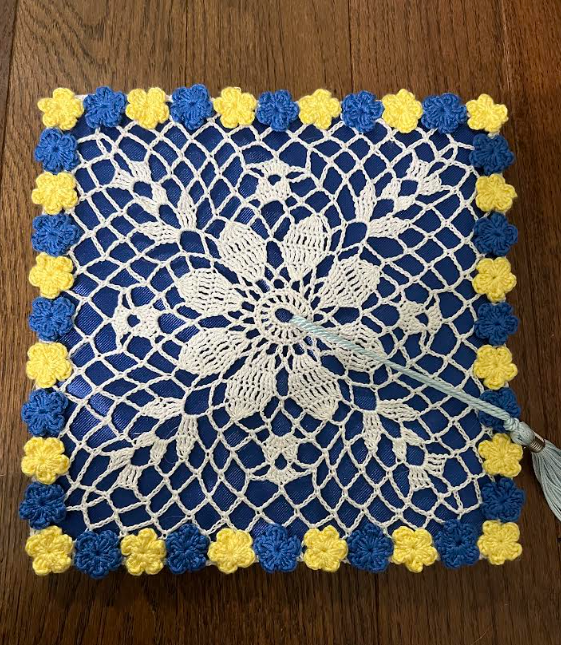
It is so hard to choose a favorite! I think I have to choose my high school graduation cap, which I decorated with a crochet doily-style cover and Pitt-colored flowers.
Your Business Journey
What inspired you to start selling your crochet creations?
In all honesty, I just thought it might be fun. I was inspired to keep doing it because I loved seeing little kids get so excited when they saw a stuffed animal in my booth that they really loved.
What was your first vendor show like?
Honestly, it wasn’t very great. I only had one little table that wasn’t very attractive to people walking past, and the people who did stop weren’t very interested in my items. I made a few sales, but it wasn’t what I was hoping for. See my response to “when did crochet become more than just a hobby?” for more detail.
How do you prepare for a craft fair?
I just crochet as much as I possibly can. I try to have as many options as possible for people to choose from, in many different colors and a wide price range. Now that I’ve been doing it for a few years, the days leading up to a craft fair are less chaotic. I have everything I need in a few totes. Display stands, card reader, business cards, bags, etc. I usually pack up the car the night before because I have to get an early start in the morning to set up my booth.
What are your best-selling items?
Stuffed animals for sure. Smaller ones tend to sell more, but larger ones still sell quite often. I’ve also sold earrings, bandanas, and wristlets with less success. Customers really love the plushies.
How do you determine the pricing for your handmade work?
I don’t follow an exact formula, but I pick a price that feels right based on the size of an item, the amount of materials it took, how much someone might be willing to pay, and how long it took to make. The most common way for crocheters to price items is an hourly rate plus the cost of materials, but I’m honestly not a fan of that because everyone crochets at different speeds and it’s sometimes unrealistic to price things so expensively. Crocheters deserve to be compensated fairly for the time and effort they put into projects, but they also have to understand that most people aren’t willing to spend $600 on a blanket, even if that blanket did take 60 hours to make. That’s why I focus more on making small items to take less time.
What’s one thing people don’t realize about running a handmade business?
It’s not as simple as it seems. A lot of crocheters get told, “You should sell those!” or “You should start an Etsy shop!” Selling at craft fairs takes a lot of time and planning, and you also have to invest a lot of money into your setup. I’ve spent hundreds on tables, displays, a canopy, signage, etc. Similarly, starting an Etsy shop isn’t as simple as just opening an account and listing some items. You can technically do that, but you won’t make many sales that way. You have to understand search engine optimization, you have to build a customer base, you need a social media presence, and you need a way to get people to actually find your items on such a massive site full of many other sellers.
Vendor Show Experience
What do you enjoy most about attending vendor shows?
Making customers happy, especially young kids. It makes me so happy when a little kid gets really excited to see their favorite animal in crochet form or they just fall in love with a specific stuffed animal I’ve made.
Have you had any memorable customer interactions?
Yes, both good and bad. A couple years ago, someone’s dog grabbed one of my stuffed animals from a shelf and dragged it through the mud. The woman just took it out of her dog’s mouth, handed it back to me, and laughed while saying, “Sorry, he just loves stuffies!” Then she just walked away. I was too shocked at the time to say anything back, but I wish I had made her pay for it. Another time, a customer asked me if I had bought everything from China and was just reselling it (which actually is an issue in the crochet selling community right now, because sites like Temu sell crochet items which people resell, but that’s another story). I had to show her the project I was actively working on to prove I actually make my items. On a more positive note, I’ve had several good customer interactions where they were impressed by my crochet skills. I once had someone ask how long I’d been crocheting, and when I responded with “around ten years,” they said “I can tell! Your stuff looks amazing!”
What advice would you give to someone considering becoming a vendor?
The look of your booth is one of the most important things to focus on. Customers will just walk right by if your booth doesn’t look neat and/or interesting. It is absolutely worth the money to invest into nice tablecloths, display shelves, signs, things like that. You could have the best products in the world, but no one will buy them if they aren’t displayed well.
How important has networking with other makers been to your journey?
Talking with other makers is so useful! I love making friends with my booth neighbors at shows. It’s such a good way to learn about new craft fairs and which ones are good or bad. It’s also great to be part of a supportive environment where you just want each other to succeed and can share advice or tips.
Behind the Scenes
How long does it typically take to complete one of your popular items?
My most popular items only take about an hour or two to complete. I make little chunky birds, mice, small dragons, little creatures like that. They sell for $10-$15 and are a big hit. Some of my items take up to 10 hours, but I don’t go beyond that because it can be expensive; time-consuming items don’t sell well.
Do you listen to music, podcasts, or audiobooks while crocheting?
I prefer to watch a TV show or movies. I don’t always have to look at what I’m crocheting, so I like having a show or movie to look at.
What does a typical crafting day look like?
In a full day of crafting, I can usually make 3 or 4 items. I get my yarn from downstairs (I have wayyy too much to fit in my room, so it’s stored in the basement). I try to pick the colors I think I’ll need based on what I plan to make, but I’m not great at sticking to the plan and end up making different things anyway. I usually end up with a massive pile of yarn next to my desk. I like to have some coffee, set up my laptop with my show/movie on one side of the screen and my crochet pattern on the other, then I get to work. I take breaks every hour or two to stretch my wrists (very important!)
How do you balance creativity with the business side of things?
It’s honestly pretty hard. I get bored making the same things over and over again, even if they sell really well. I do make multiples of my best-sellers, but I mix in a lot of fun projects to keep myself from losing interest. For example, I like to have about 6 mice ready for each craft fair, but making 6 of them back-to-back gets boring. So, I make two at a time, and in between, I make something different that I’m more excited about making, like a new animal or pattern I haven’t tried yet. I like to have multiples of my best-sellers, but I also love having a lot of variety for customers to choose from.
Challenges & Advice
What has been your biggest challenge as a crochet artist?
Crochet has grown very popular in recent years, and it’s much harder to stand out at craft fairs now. There are a lot of crocheters selling stuffed animals. It’s a challenge to make unique items to differentiate myself from the many other crochet sellers.
How do you stay motivated during slower seasons?
I focus on making things for friends, family, and myself instead of for craft fairs. I love crocheting gifts just as much!
What advice would you give someone who wants to learn crochet?
You don’t need to spend a ton of money to get started! You just need some yarn and a hook. You don’t need a big fancy kit or a ton of supplies. Get some cheap yarn, a few different hook sizes, and look up a tutorial for how to do a crochet stitch. Also, be patient! Crochet takes a lot of practice. Your stitches probably won’t be very neat or even at first, and that’s okay. With time and practice, you’ll start to build the hand coordination and muscle memory to make your stitches the same each time.
Looking Ahead
Are there any new products or projects you’re excited to introduce?
I’m making tiny keychain versions of some of my stuffed animals for my next craft fair. I’m excited to see how they sell!
Just for Fun
Coffee or tea while crocheting?
Coffee in the morning to get my energy going, then sweet iced tea in the evening. I am a huge sweet tea fan.
Favorite yarn brand?
Currently, Premier Parfait Plush. I loved Loops & Threads Chenille Home from Michaels, but they discontinued it. It’s super sad because using my emloyee discount for yarn was a huge bonus, but Parfait Plush has lots of color options and it’s super soft, and Premier has sales often enough so I can get good deals on it sometimes.
Favorite color to work with?
Purple! Only because it’s my favorite color for everything.
Community
Why do you think supporting handmade and local businesses is so important?
It’s all about supporting real people who put genuine love and care into their products. Buying from an artist means supporting their passion and creativity, and getting a high-quality, unique product in return. Supporting local businesses helps keep communities strong and keeps money in the hands of smaller businesses who care more about their customers and producing quality products or services. Shopping small helps real people keep on creating and doing what they love.
What would you like readers to know about shopping small and supporting local artisans?
Even if you can’t buy something from them, supporting the artist in other ways is great too. You can share their work on social media, recommend them to a friend, or just talk to them about their work. Kindness and encouragement are what truly matter.
My Signature Question
The Many Colors of Natalie celebrates the unique stories that make each person who they are. If your life were represented by colors, what colors would they be, and why?
Purple would definitely be the main color because I just love it. It’s so pretty and I try to have as much purple stuff as possible. My bedroom is purple, my phone is purple, my favorite clothes are purple. I think I’d also include yellow, because it’s such a happy color. My main goal is to bring joy to people, and I think yellow represents that pretty well. I’d also include green because frogs are my favorite animal. Plus, green represents growth, and my crochet business has grown a lot over the years.
Allyson’s Instagram Link: https://www.instagram.com/allycatcrochets/.

Great article!!! I love to crochet but only make baskets because I’m still learning about crocheting and I feel the different basket sizes, stitches, and ways to do things are starting to make more sense, the more baskets I make. Thanks for a great article and I would Love to learn to make a small stuffed animal someday. Thanks for the motivation.
Thank you so much! I absolutely love hearing this! There is something so rewarding about making something with your own hands, and it sounds like every basket you make is helping you build your confidence and learn something new.
And I have a feeling that little stuffed animal is going to happen someday! Keep creating, keep learning, and most importantly – keep having fun with it! Thank you for sharing your story and for letting my article motivate you.